

Why Some Retail Experiences Feel Effortless
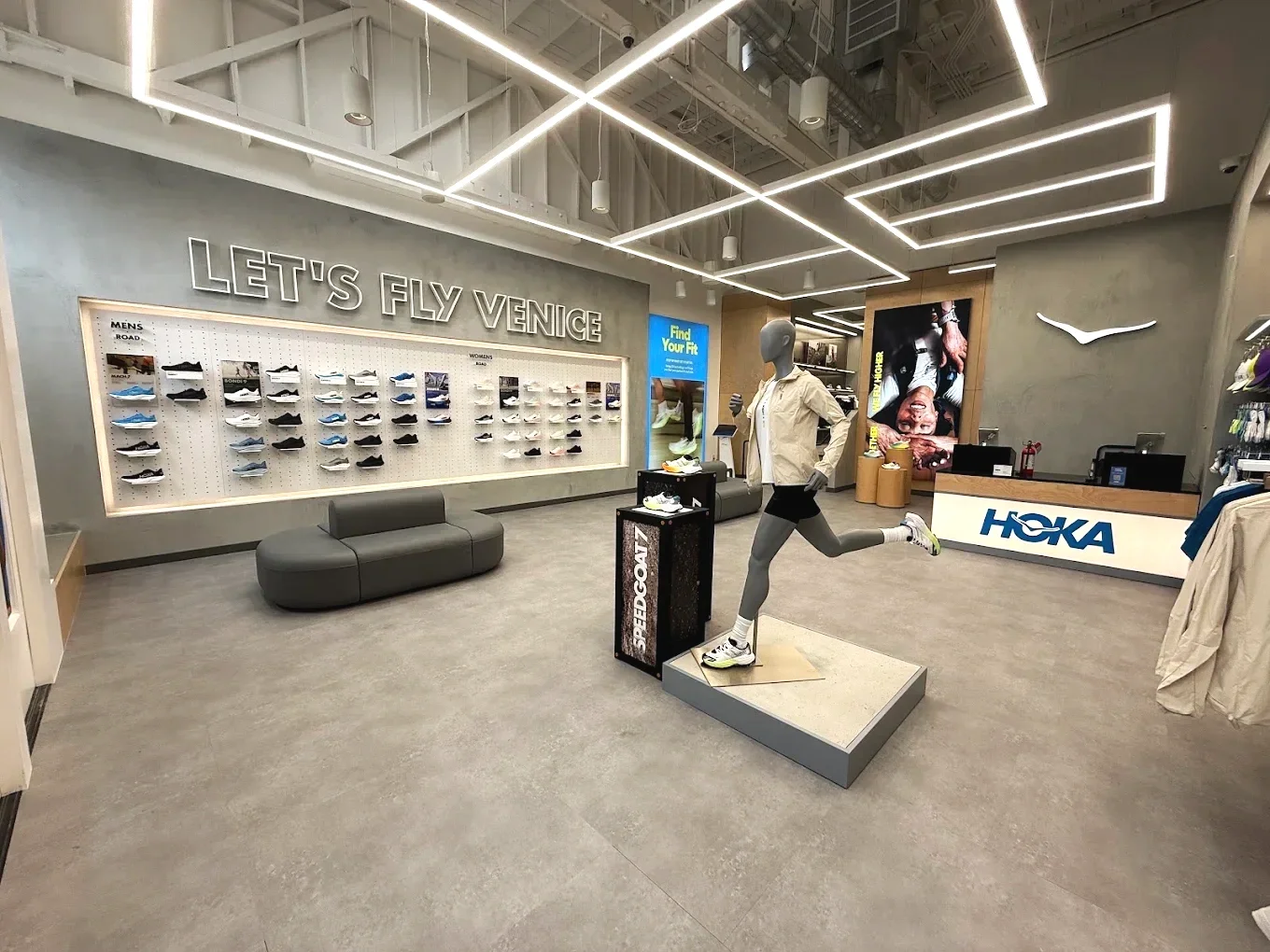
HOKA Abbot Kinney (June 2026). HOKA partnered with Feels on Brand to design a retail experience where thoughtful layouts, intentional product placement, and customer-focused details come together to create an effortless shopping journey.
Some retail spaces simply feel right from the moment you walk through the entrance. You instinctively know where to go, naturally discover products without feeling overwhelmed, and have everything you need to feel confident in your purchase. For lack of a better word, the experience feels effortless.
Ironically, the more effortless a store feels, the more intentional the design is. Effortless feeling spaces are carefully designed around human behavior. Every decision is intentionally chosen to create a seamless retail experience that guides customers without them ever noticing the systems behind it.
Customers may leave thinking they simply enjoyed browsing, but what they're really responding to is a space that removes friction, builds confidence, and creates intuitive exploration. When every element supports the customer journey, shopping becomes less about finding products and more about enjoying the experience itself.
In this article, we'll explore what creates that effortless feeling, why some stores seem intuitive from the moment you walk in, and the six design principles that consistently lead to stronger retail experiences.
What does an Effortless Retail Experience actually feel like?
An effortless retail experience does not mean that the space is simple, minimalistic, or perfectly organized. It means the space is easy to navigate.
Inside effortless retail spaces, customers instinctively understand where they should move next, learn about the brand, notice featured products, and discover new items naturally. Even when they don't purchase anything, they leave with a positive impression of their experience.

Evo Salt Lake City (June 2024) has open sightlines and intentional visual merchandising create a retail experience that feels intuitive from the moment you walk through the door.
Why do some retail stores feel intuitive the moment you walk in?
Within just a few seconds of entering a store, customers begin making unconscious decisions. Their brain scans the environment for visual cues, identifies where to move first, evaluates whether the space feels welcoming, and decides if they're comfortable continuing to explore. These judgments happen almost instantly, long before anyone reads a sign or speaks with a sales associate.
Retail experience feels effortless because the designs are rooted in environmental psychology, human behavior, and brand strategy. Open sightlines encourage movement, visual merchandising helps people understand how products could fit into their lives, and multiple elements reinforcing the same story throughout the space create trust.
None of these design choices call attention to themselves, and that's exactly the point. When customers are comfortable and know how to navigate inside a retail space, they can focus on the experience itself.
The 6 Principles Behind Effortless Retail Spaces
Effortless Design is Built on Invisible Systems
The best retail experiences don't rely on individual displays. They rely on invisible systems, including store layout, customer flow, merchandising strategies, signage, lighting, and visual hierarchy, all working together behind the scenes to create a seamless retail experience. Customers rarely notice these systems when they're working well, but immediately clock something as off when they're missing.

The North Face Flat Iron (August 2025) uses simple environmental cues, such as labeling the fitting room directly on the door frame, to remove hesitation and give customers confidence to move naturally through the space.
Movement Should Feel Self-Guided
An effective retail layout uses sightlines, pathways, focal points, and product placement to subtly guide movement throughout the store. Retail spaces that encourage exploration while helping customers navigate intuitively result in shoppers staying longer, discovering more products, and engaging more deeply with the brand.
Brand Identity is Embedded throughout the Space
Your brand should be communicated through more than a logo on the wall. Every design decision from materials and product placement to fixtures and signage should reinforce what your brand stands for. Customers may not consciously recognize every detail, but together they create a consistent impression that strengthens trust and makes the retail experience memorable.
Every Element Must Earn Its Place
Every square foot of a retail space must have a purpose beyond aesthetics. When displays, fixtures, graphics, or products don't contribute to the customer journey, they create visual noise that competes for attention. Instead of asking how much can fit into a space, successful retail experiences ask whether each element supports discovery, tells the brand story, or helps customers make confident purchasing decisions. Sometimes removing unnecessary elements creates more value than adding something new.

Rapha Seattle (April 2024) uses materials, textures, and thoughtful design details to weave its brand identity throughout the space, creating a retail experience that feels cohesive long before customers ever pick up a product.
Spaces are Built for Adaptation Over Time
New product lines, changing customer preferences, and seasonal merchandising shifts throughout the year all pose challenges to keeping your retail space intuitive. An effortless retail space must be designed with flexibility in mind, to allow displays, fixtures, and layouts to evolve without sacrificing the overall customer experience. Adaptable spaces remain fresh while maintaining the consistency customers expect from the brand.
Effortless Spaces Prioritize Human Behavior
The most successful retail experiences are designed around people. Understanding how customers naturally move, where they pause, what captures their attention, and how they make purchasing decisions allows retailers to create environments that feel intuitive from start to finish. Instead of expecting customers to adapt to the store, great retail design adapts to the way people naturally behave. That's what transforms a functional store into an exceptional retail experience.

Arc'teryx SoHo (August 2025) includes an open entry that gives customers space to pause, orient themselves, and take in the store before deciding where to explore next. By reducing visual clutter and creating clear sightlines, the space makes navigation feel effortless.
The Biggest Mistakes That Break the "Effortless" Retail Experience
Mistake #1: Prioritizing Aesthetics Over Everyday Function
A beautiful store only works if it makes sense for the people using it every day. When design decisions are made solely for appearance, employees often end up creating workarounds that slow down operations and disrupt the customer experience. Products become difficult to restock, checkout areas become congested, and staff spend more time solving layout problems than helping shoppers. The best retail environments strike a balance between beauty and functionality, creating spaces that are intuitive for customers while making day-to-day operations easier for the team behind the scenes. When employees can work efficiently, customers naturally experience the store as calm, organized, and effortless.
Mistake #2: Forgetting to Implement Smart Product Adjacencies
Great retail design anticipates customers' needs before they have to ask. Smart product adjacencies reduce friction by placing the products, tools, and experiences shoppers need right where they're making purchasing decisions. Mirrors next to sunglasses allow shoppers can instantly see how they look, or benches next to footwear to make it comfortable to try on multiple pairs. Fitting rooms are one of the most overlooked examples of smart adjacencies. Their location can significantly impact both customer confidence and conversion rates.
These thoughtful design choices may seem small, but together they create a shopping experience that feels intuitive, comfortable, and effortless. When customers can evaluate products without unnecessary obstacles, they're more likely to stay engaged and make a purchase.
Mistake #3: Displaying Too Much Product at Once
It can be tempting to showcase everything you have to offer, but more products don't always lead to more sales. In fact, overwhelming displays often create decision fatigue, making it harder for customers to choose anything at all. Curated merchandising gives shoppers clear visual starting points and allows hero products to stand out. Visual breaks, intentional product groupings, and decompression zones create breathing room that makes a store feel more premium and easier to navigate. When customers aren't overwhelmed by choices, they're more likely to explore, engage, and make confident purchasing decisions.
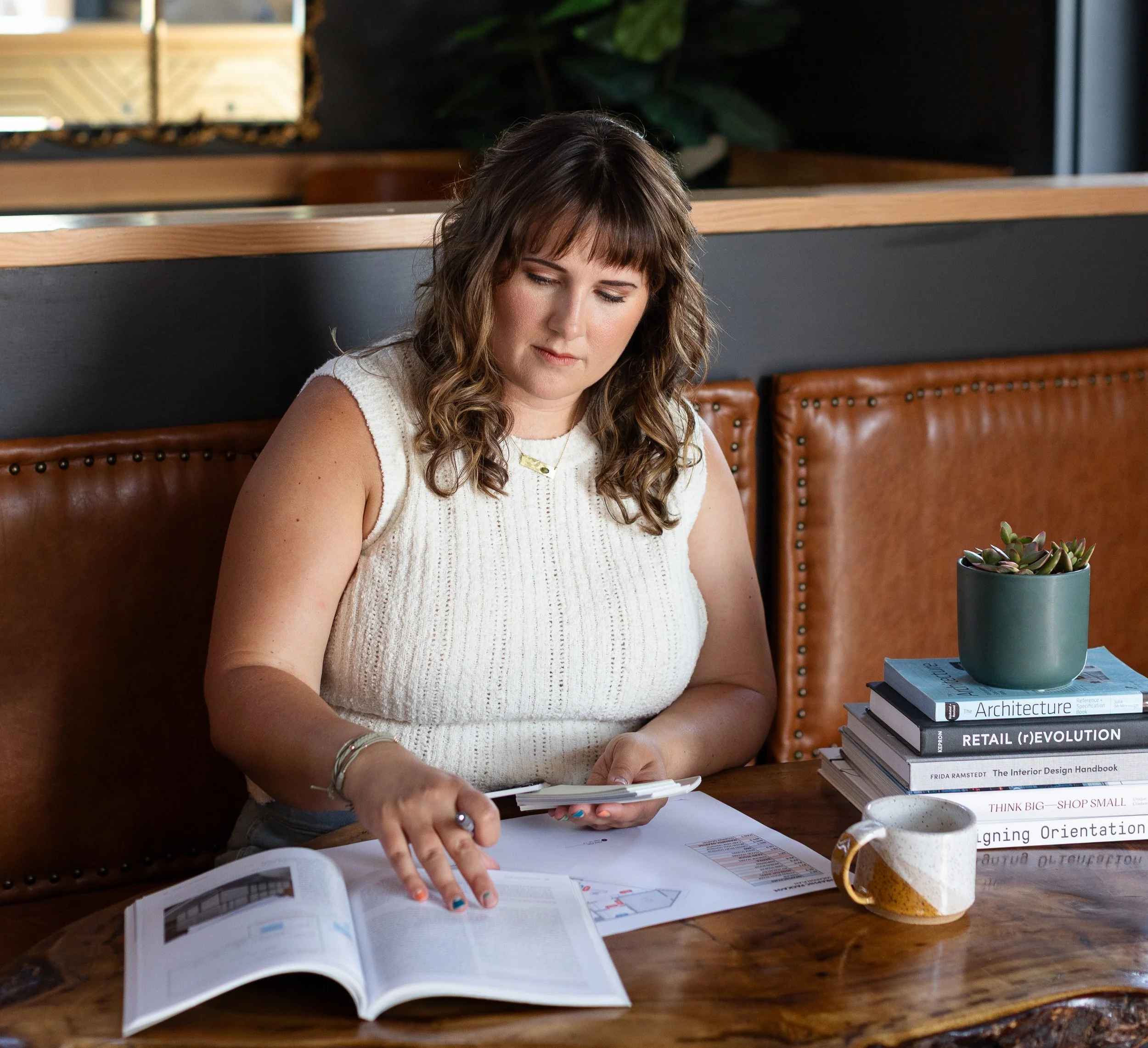
Katie Soulé, the creative force behind Feels on Brand, designs retail experiences that turn physical spaces into powerful brand stories by bringing together strategy, space, and storytelling for performance and outdoor brands.
Final Thoughts on Why Some Retail Experiences Feel Effortless
An effortless retail experience is the result of intentional design decisions that put people first. From the moment a customer walks through the door, every element works together to reduce friction, encourage exploration, and reinforce your brand story.
That's what transforms a good retail space into an unforgettable retail experience. With over 15 years of experience across architecture, in-house brand environments, and agency work for brands including HOKA, Cotopaxi, Chubbies, Fleet Feet, and UGG, Feels on Brand specializes in designing retail experiences that connect strategy, space, and storytelling.
Whether you are building a new retail environment or developing an ongoing campaign strategy, the goal is the same: create spaces that move people. Ready to start shaping your next retail experience? Get started by reserving your project timeline today.