Designing for Decisions: How Retail Design Shapes Customer Behavior
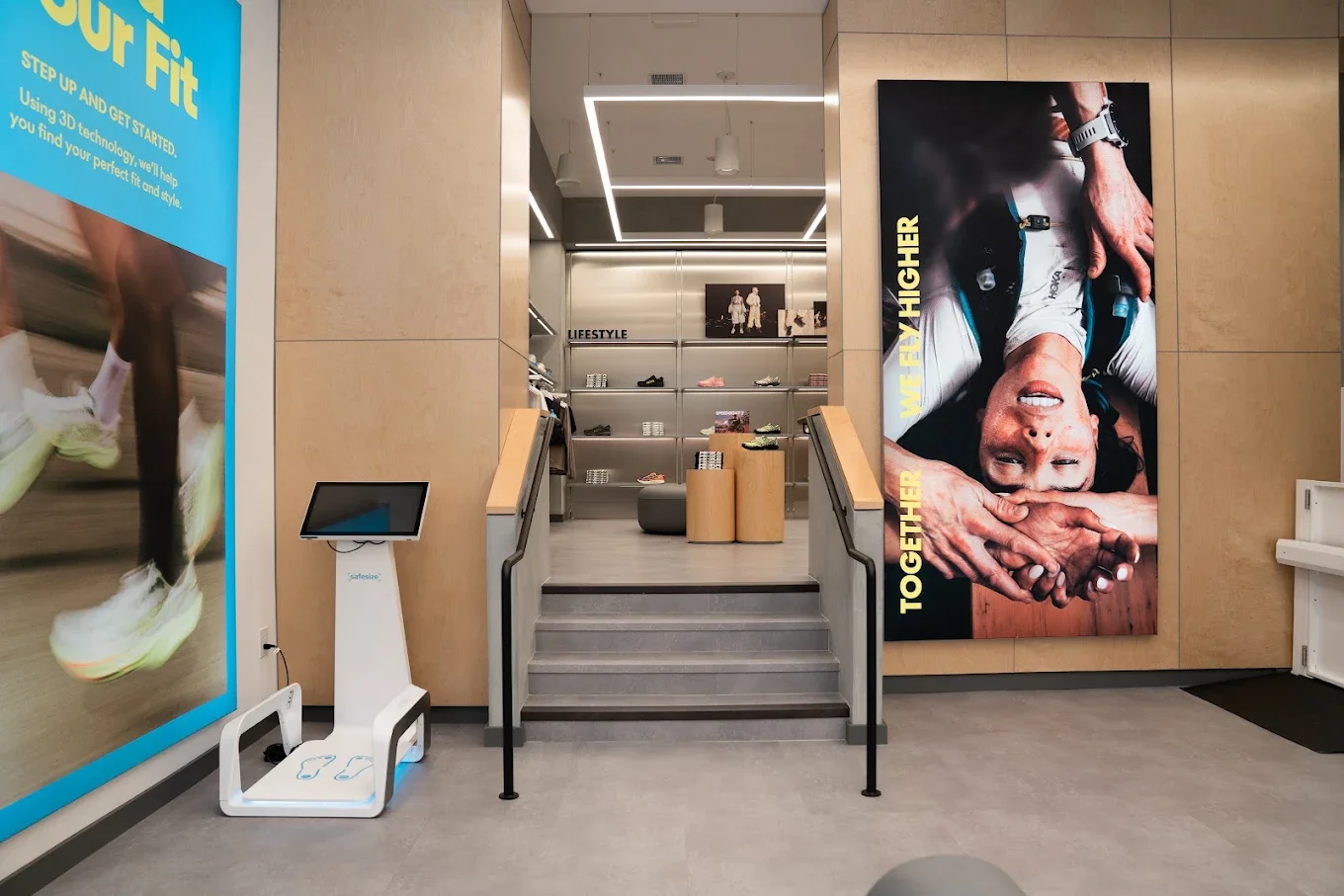
HOKA Abbot Kinney (June 2026). HOKA partnered with Feels on Brand to design a retail experience where thoughtful layouts, intentional product placement, and customer-focused details come together to create an effortless shopping journey.
Designing for Decisions: How Retail Design Shapes Customer Behavior
In recent retail design insights, we’ve looked at how to build a store layout around the customer journey and then zoomed in on how to make that retail space feel effortless to shop. In this article, we’re zooming in even further to look at the small decisions customers make throughout the shopping experience and how thoughtful design can help guide them from first glance to final purchase.
Shopping is a series of small decisions, many of which our brains make subconsciously: Where should I look? What should I pay attention to? Should I touch it, try it on, or compare it? And ultimately, do I feel confident enough to buy it?
Each of these moments is an opportunity for design to support customer behavior. The layout, lighting, product placement, displays, information, and opportunities to interact with products can either make those decisions feel intuitive or introduce uncertainty and hesitation. When retailers understand how people naturally move through these decisions, they can design spaces that make it easier for customers to understand their options, explore products, build confidence, and ultimately decide what’s right for them.
Customers Need Help Recognizing What Matters
Human attention is limited. In a retail environment, customers are constantly taking in information, from products and displays to signage, lighting, and other visual cues. Intuitive retail design uses visual hierarchy, lighting, contrast, and thoughtful editing to help customers understand what deserves their attention first, which products or categories are worth exploring further, and where to focus next.
Not everything in a store needs to compete for attention. When every product, display, or message is given the same visual weight, customers can become overwhelmed and unsure where to look. The goal isn't to make everything stand out. It's to create enough hierarchy and organization that customers can quickly understand what's available, recognize the categories or products that are most relevant to them, and decide where they want to look more closely.
Too Much Choice Creates Decision Fatigue
More choice doesn't make shopping easier. When customers are faced with crowded displays, competing messages, or too many similar options at once, they have to spend more mental energy sorting through what matters. This can lead to decision fatigue, where the effort of evaluating one choice after another makes it harder to feel confident about any of them.
Thoughtful retail design helps reduce that mental load. Editing a display, grouping similar products, or creating a clear visual focal point can give customers a manageable place to start without limiting their options. The goal isn't necessarily to offer fewer products; it's to make the choices feel easier to navigate.

Brixton Fashion Island (December, 2024) uses POP to quickly explain the difference in their pant fits.
Customers Need Context to Understand Products
Products rarely exist in isolation. The way they are presented can help customers understand what they are, how they work, and why they might be relevant to them. Visual merchandising, point-of-purchase (POP) displays, and styled displays all provide context that makes products easier to evaluate.
Good visual merchandising doesn't just make a product look appealing, but also helps tell the story around it. A display might show a product in use, pair complementary products together, or use POP to answer a question a customer might have at the moment they are considering a purchase. When the right information and visual cues are provided at the right time, customers spend less energy trying to figure out what they're looking at and more time considering whether it's right for them.
Small Uncertainties Create Doubt
Sometimes it's not a major problem that keeps a customer from buying, but a small question they can't easily find an answer to. How much does it cost? What size do I need? Can I touch the product? Why does this feature matter? How are these two products different?
Even small gaps in information can create enough uncertainty for a customer to pause or move on. Good retail design anticipates these questions and makes the answers easy to find. Clear pricing, accessible products, intuitive sizing information, and helpful product details give customers the confidence to keep moving through the decision. The goal isn't to overwhelm shoppers with information, but to provide the right information at the moment they need it.

BIRKENSTOCK Milan (July, 2025) features a try-on treadmill, helping customers feel confident about their purchase.
Customers Need Interaction to Build Confidence
Once the customer understands the product, they need to feel confident about choosing to purchase it. Customers are more likely to feel comfortable making a purchase when they can interact with a product before committing to it. Being able to touch a material, try something on, test how it works, compare options, or see how a product fits into their everyday life can turn uncertainty into confidence.
This is where thoughtful product adjacencies can make a difference. A mirror next to a pair of sunglasses gives a customer an immediate opportunity to see how they look. Seating near footwear gives them a place to easily try on a pair of shoes. Well-designed fitting rooms create a private, comfortable environment where shoppers can see themselves in products, boosting their confidence and increasing the likelihood of a purchase. These details may seem small, but
Instead of the customer asking, “Is it even worth thinking about purchasing this?” the space makes it easy to explore the product, compare their options, and decide whether it works for them.
Social Comfort Shapes Customer Behavior
Customers need to feel comfortable enough to explore before they can feel confident enough to buy. Personal space, privacy, seating, and even where staff members are positioned can influence whether someone feels encouraged to browse or feels like they need to make a quick decision and leave. A customer who feels crowded, watched, or unsure whether they are “allowed” to interact with a product may be less likely to pick it up, try it on, or spend time considering it. Effortless retail design creates enough space and comfort for customers to explore at their own pace while still making help available when they need it.
Make the Next Step Clear
Once a customer is interested in a product, the environment should make it easy to figure out what to do next. The placement of products, fixtures, signage, and other visual cues can quietly guide customers toward the next stage of their decision. These cues don't need to be explicit instructions. When products, fixtures, and displays are designed around the way people naturally shop, the next action can feel intuitive. Good retail design doesn't force a customer toward a purchase; it simply removes the guesswork around what to do next.

HOKA Prudential Center (Janurary, 2025) cash wrap uses an immersive mountain backdrop and bold blue signage to make checkout feel like part of the brand story.
Customers Desire a Fantastic Checkout Experience
Once someone has decided that a product is right for them, the environment should reinforce that decision rather than introduce new questions or hesitation. A clear path to purchase gives customers a natural sense of completion, whether that means knowing where to go, understanding what happens next, or having a positive interaction with a sales associate along the way.
While retail design can't control how an employee interacts with a customer, it can create spaces that make those interactions feel natural and give associates opportunities to offer helpful recommendations, answer questions, or simply make a customer feel good about their purchase. The goal isn't to push customers across the finish line, but to make the final step feel just as thoughtful and considered as everything that came before it.
Invite them to connect further
The interaction doesn't end after the purchase. An easy, intuitive path out of the space can maintain a sense of comfort and flow through the final moments of the experience while creating opportunities to invite customers to stay connected.
A thoughtfully placed invitation to join a loyalty program, learn about an upcoming event, follow the brand, or discover what's coming next can turn a one-time purchase into the beginning of an ongoing relationship. These touchpoints should feel like a natural extension of the experience, not another message competing for the customer's attention.
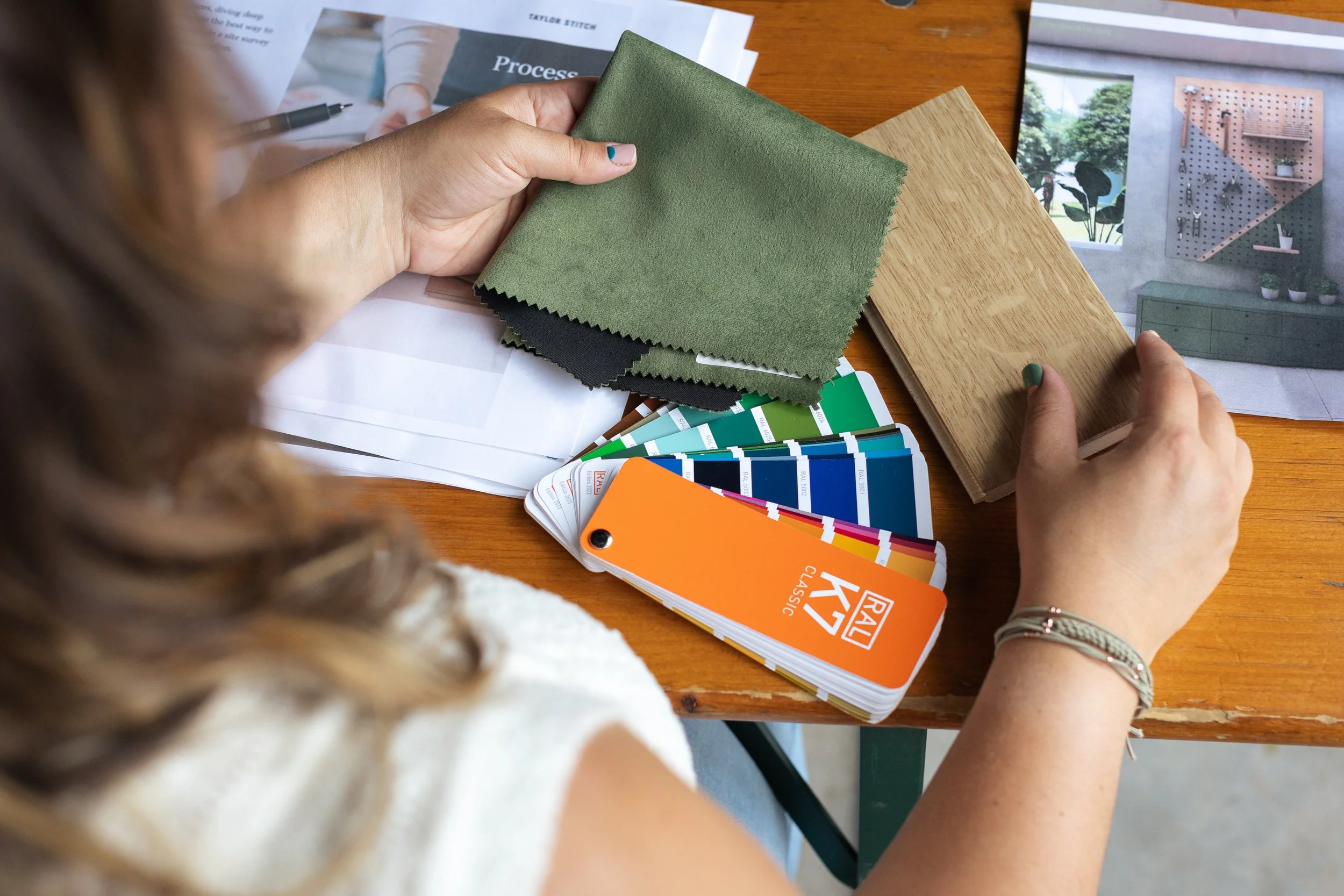
Katie Soulé, the creative force behind Feels on Brand, designs retail experiences that turn physical spaces into powerful brand stories by bringing together strategy, space, and storytelling for performance and outdoor brands.
Final Thoughts on How Retail Design Shapes Customer Behavior
Designing a retail space around human behavior doesn't mean making decisions for the customers; it means making those decisions as easy as possible to navigate. From the first visual cue that catches their attention to the moment they leave the store, every detail can help reduce uncertainty, provide context, build confidence, and make the next step feel natural.
When retailers design with human behavior in mind, the result is a space that helps customers feel comfortable, informed, and confident enough to decide for themselves which products are right for them.
Need help creating a space that is designed around customer behavior? With over 15 years of experience across architecture, in-house brand environments, and agency work for brands including HOKA, Cotopaxi, Chubbies, Fleet Feet, and UGG, Feels on Brand specializes in designing retail experiences that connect strategy, space, and storytelling to create more meaningful customer experiences.
Whether you are building a new retail environment or working on a multi-store campaign strategy, the goal is the same: create spaces that guide customers naturally through their journey. Ready to start shaping your next retail experience? Head to our planning page to learn about key dates and timelines, or send us a message to start talking about your next project.